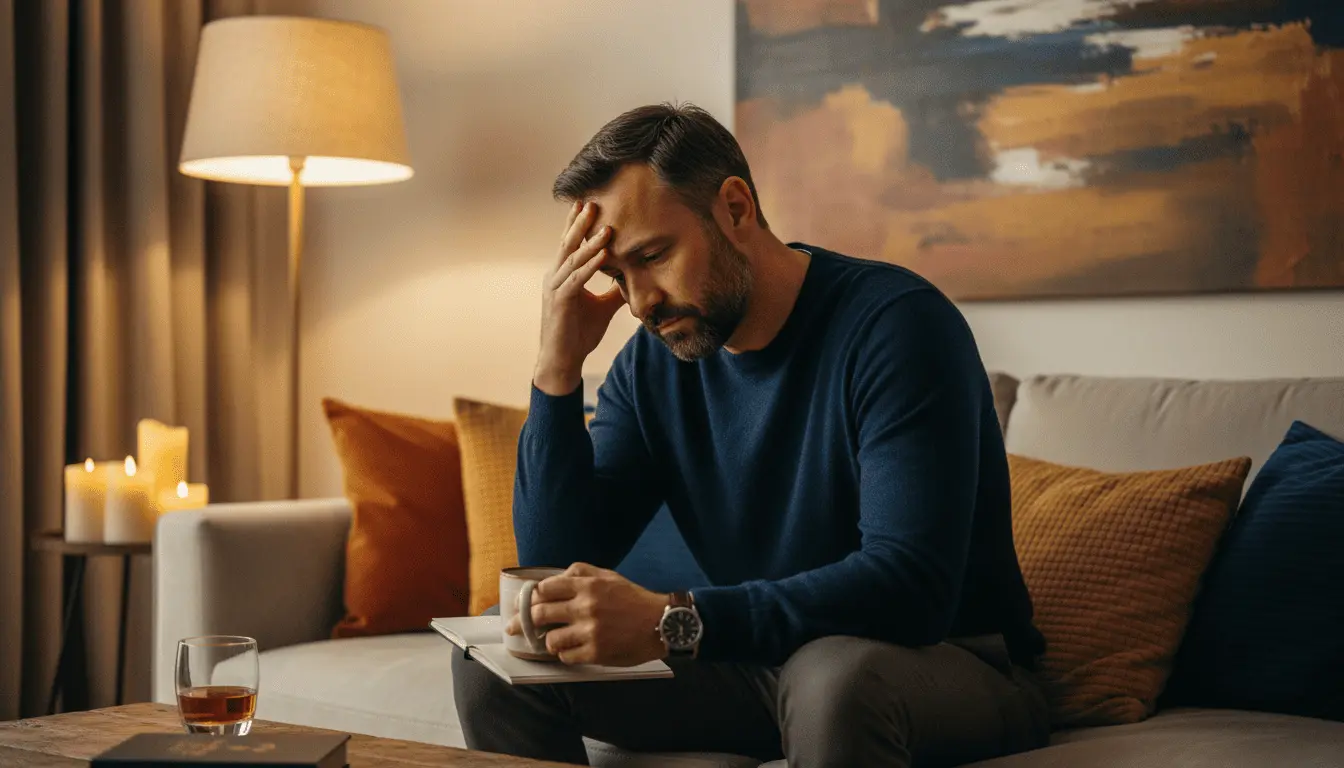
A lower libido after 40 is one of the most common — and least openly discussed — concerns among men in midlife. Many men experience a gradual reduction in sexual desire that can feel disorienting, especially when it affects their confidence and relationships. The encouraging news is that libido is not simply a function of age. It's deeply connected to lifestyle, nutrition, hormonal health, psychological wellbeing, and relationship dynamics — all of which are areas where thoughtful changes can genuinely help.
Understanding Why Libido Tends to Decline After 40
Sexual desire in men is influenced by a complex web of physiological and psychological factors. Testosterone is the most influential hormonal driver of libido — and as discussed throughout this blog, testosterone naturally declines after 30. By 40 and beyond, the cumulative effect of this decline can be noticeable for many men.
But testosterone isn't the whole story. Poor sleep quality, chronic psychological stress, relationship tension, body image concerns, medications (particularly antidepressants, blood pressure drugs, and certain antihistamines), and even nutritional deficiencies can all suppress libido independently of hormone levels.
Exercise — One of the Most Effective Natural Approaches
Regular physical activity has a well-documented positive relationship with libido and sexual function in men. Resistance training in particular supports healthy testosterone levels and improves body composition — both of which are directly tied to sexual confidence and drive. Cardiovascular fitness supports healthy blood flow, which plays an important role in male sexual response. Even brisk walking for 30 minutes a day can support circulation and reduce stress hormones that suppress libido.
One caveat: excessive endurance training without adequate recovery (sometimes called "overtraining syndrome") can actually suppress testosterone. Moderate, consistent exercise is the goal — not extreme training volumes.
Sleep and Stress — Two Underrated Libido Factors
Most testosterone production in men occurs during deep sleep. Men who consistently get less than six hours of sleep per night show measurably lower testosterone levels than those sleeping seven to nine hours. If you're waking up exhausted and finding your libido has taken a hit, improving sleep quality and duration may produce more noticeable results than almost any supplement or intervention.
Chronic stress deserves equal attention. The stress hormone cortisol directly inhibits testosterone production — it's a physiological prioritization that dates back to our evolutionary past. When the body perceives ongoing threat (even if it's just work deadlines and financial anxiety), reproductive drive becomes a lower priority. Stress management practices — even simple ones like daily walks, journaling, or time spent outdoors — can meaningfully reduce cortisol and support hormonal balance.
Diet and Nutrition for Libido Support
What you eat matters more than you might think for sexual health. Several nutrients play direct roles in the hormonal pathways that influence libido:
- Zinc: A key mineral for testosterone synthesis. Rich food sources include oysters (the most concentrated dietary source), beef, pumpkin seeds, and legumes.
- Vitamin D: Functions as a hormone in the body and plays an important role in testosterone production. Many men are chronically deficient, especially those who spend little time outdoors.
- Healthy fats: Testosterone is produced from cholesterol, which is derived from dietary fat. Monounsaturated and saturated fats from whole food sources (olive oil, avocado, eggs, grass-fed meat) support the raw material for testosterone synthesis.
- Antioxidants: Berries, leafy greens, and other antioxidant-rich foods support vascular health, which is closely tied to sexual function.
- Limit processed foods and alcohol: Excess sugar and processed carbohydrates can suppress testosterone, while even moderate alcohol consumption can disrupt hormonal balance and sleep quality.
Botanicals Traditionally Associated with Libido
Several plant-based ingredients have long histories of use in traditional wellness systems for supporting male sexual vitality. While individual responses vary and these are not substitutes for medical care, their traditional use is extensive:
- Maca root: Originating in the high Andes of Peru, maca has centuries of traditional use for energy and libido support. Several small studies have explored its potential role in supporting sexual desire in men.
- Ashwagandha: An adaptogenic herb from Ayurvedic tradition, associated with stress reduction and supporting healthy testosterone levels — both of which have implications for libido.
- Tribulus terrestris: A botanical traditionally used in both Ayurvedic and traditional Chinese medicine for male vitality and sexual wellness support.
- Panax ginseng: Often called the "king of herbs," ginseng has thousands of years of traditional use in Asian medicine for energy, stamina, and sexual vitality.
The Role of Relationship and Psychological Wellbeing
Libido doesn't exist in a vacuum. The quality of your intimate relationship, communication patterns, unresolved conflicts, and feelings of emotional connection all influence sexual desire. Men experiencing significant relationship friction, unprocessed grief, depression, or anxiety may find that addressing these psychological dimensions has a profound impact on their libido — sometimes more than any physical intervention.
If you suspect depression or anxiety is contributing to reduced sexual desire, speaking with a therapist or counselor is a worthwhile and often highly effective first step. These conditions are both common and very treatable, and addressing them can dramatically improve quality of life in multiple domains.
Support Healthy Libido with Honey Peak Gelatin
Honey Peak Gelatin combines time-honored botanicals like maca root, tribulus terrestris, and ashwagandha with key minerals including zinc — all in a convenient daily gelatin format designed for men who want to support their vitality naturally.
Try Honey Peak — From $49/Bottle