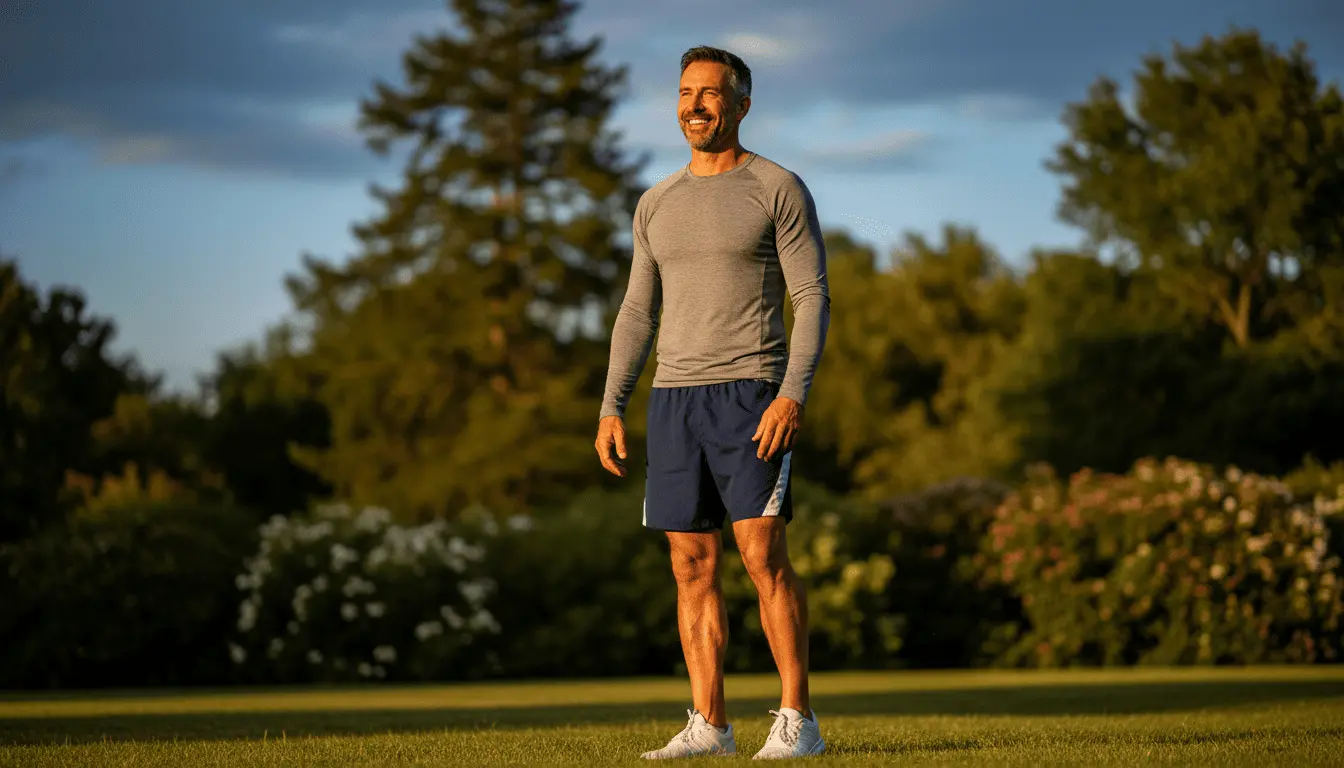
Turn 50 in today's world and you're not remotely "old." Men in their 50s are running ultramarathons, launching new businesses, raising young children, maintaining active sex lives, and doing things their grandfathers wouldn't have considered possible at the same age. The difference between the men who thrive in their 50s and those who don't is rarely genetics — it's almost always habits, mindset, and proactive health management.
The physiological changes that come with aging are real. But they are not destiny. Here's a practical guide to the habits that support strong energy, preserved muscle mass, sharp cognition, and genuine confidence well into your 50s and beyond.
Reframing What 50 Means for Men's Health
The narrative that men inevitably decline after 50 is both outdated and, in many ways, counterproductive. While testosterone does continue its gradual decline and other physiological shifts occur, the magnitude of their impact is profoundly influenced by lifestyle. Men who are sedentary, overfed on processed foods, sleep-deprived, and chronically stressed will feel the effects of aging far more acutely than those who invest in their health consistently. The question isn't whether you can maintain vitality after 50 — the question is whether you're willing to be intentional about it.
Exercise — The Non-Negotiable Foundation
If there is one single intervention with the broadest positive impact on vitality after 50, it is consistent, progressive exercise. The benefits are far-reaching:
- Resistance training counters age-related muscle loss (sarcopenia), supports bone density, stimulates testosterone and growth hormone, improves insulin sensitivity, and boosts metabolism. Even beginning resistance training in your 50s produces significant benefits. Compound movements — squats, deadlifts, rows, presses — deliver the most hormonal and metabolic return per workout.
- Cardiovascular exercise supports heart health, mitochondrial efficiency, mood, and brain function. Low-to-moderate intensity cardio (brisk walking, cycling, swimming) is generally joint-friendly and sustainable for men in this age group.
- Mobility work — yoga, dynamic stretching, foam rolling — helps maintain flexibility, prevents injury, and supports recovery. Neglecting mobility is one of the most common reasons men in their 50s step back from exercise.
Nutrition Strategies for Men in Their 50s
Caloric needs decrease modestly with age, but nutrient needs remain high or even increase. The dietary priorities for men over 50 include:
- Prioritize protein: Muscle protein synthesis becomes less efficient with age, meaning men in their 50s need more dietary protein to stimulate the same anabolic response. Aim for 0.7–1.0 grams of protein per pound of body weight, distributed across multiple meals. Lean meats, fish, eggs, dairy, and legumes are excellent sources.
- Focus on nutrient density: Every calorie matters more as overall intake decreases. Vegetables, fruits, whole grains, legumes, nuts, and quality proteins should form the majority of the diet — leaving little room for processed foods that displace nutrients without providing them.
- Support testosterone nutrition: Adequate zinc (from oysters, beef, pumpkin seeds), healthy fats (from avocado, olive oil, nuts, fatty fish), and vitamin D (from sunlight, fatty fish, or supplementation) are all nutritionally tied to healthy testosterone levels.
- Limit alcohol: Even modest alcohol consumption suppresses testosterone production and disrupts sleep architecture — both particularly impactful after 50.
Sleep — More Important Than Ever
Sleep quality tends to deteriorate with age through entirely natural mechanisms: lighter sleep stages, reduced deep sleep, and earlier wake times. But this doesn't mean you have to accept poor sleep passively. Sleep hygiene becomes more important, not less, as you age. Maintaining consistent sleep and wake times (even on weekends), creating a dark and cool sleep environment, avoiding late-night alcohol, and managing evening stress levels can significantly improve sleep quality even for men in their 50s.
Sleep apnea, which becomes more prevalent with age and weight, is worth evaluating if you snore loudly or wake feeling unrested. Treatment of sleep apnea consistently produces dramatic improvements in energy, mood, and overall vitality.
Mental and Cognitive Vitality
Brain health is physical health. The habits that maintain cardiovascular fitness — regular exercise, quality sleep, stress management, social engagement — are also the habits most strongly associated with cognitive resilience as we age. Additionally, deliberate cognitive challenges (learning a new language, musical instrument, or skill; reading widely; engaging in strategic games) support neuroplasticity throughout life.
Men who experience brain fog, memory difficulties, or reduced mental sharpness that seems disproportionate should speak with a healthcare provider. Hormonal contributors (low testosterone, thyroid issues) are worth evaluating, as are nutritional deficiencies (particularly B12 and vitamin D).
Supporting Hormonal Health After 50
By 50, testosterone levels may have declined by 15–25% from peak levels. For some men, this is imperceptible. For others, it manifests as reduced energy, lower libido, increased body fat, mood changes, and reduced drive. The lifestyle habits discussed throughout this article — resistance training, quality sleep, stress reduction, and nutritional support — all have documented positive effects on testosterone within the context of natural aging.
Key nutrients for hormonal support in men over 50 include vitamin D3 (essential for testosterone synthesis), zinc (critical for testosterone production), and botanical adaptogens like ashwagandha and panax ginseng that have traditional associations with healthy male vitality.
Social Connection and Sense of Purpose
Research consistently shows that social connection is one of the strongest predictors of longevity and quality of life. Men in their 50s often experience meaningful social transitions — career changes, children leaving home, retirement planning, loss of close peers — that can create unexpected social isolation. Maintaining and cultivating meaningful relationships, pursuing purposeful activities (whether work, volunteering, creative projects, or community involvement), and having something that gives you a sense of forward movement are all profoundly important for overall vitality.
Support Your Vitality After 50 with Honey Peak Gelatin
Honey Peak Gelatin combines key minerals and adaptogenic botanicals — including zinc, vitamin D3, ashwagandha, and maca root — in a convenient daily formula designed to support healthy energy, testosterone, and male vitality at any age.
Try Honey Peak — From $49/Bottle